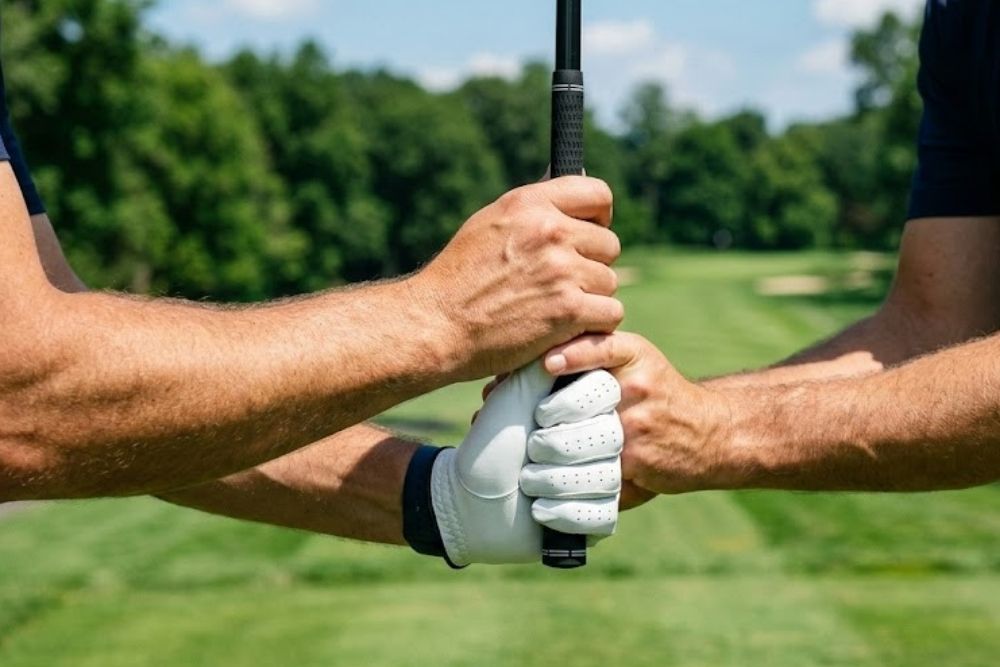
What the golf glove is really for
Materials: Cabretta leather, synthetic, or hybrid
Cabretta leather
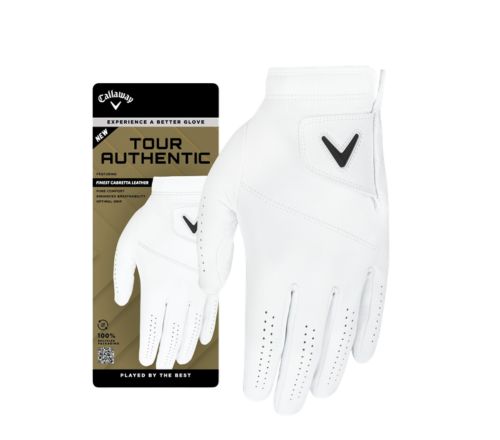
It is the premium material par excellence in golf gloves. Cabretta leather — derived from sheepskin with silky hair — offers a soft feel, precise grip and a progressive adaptation to the shape of the hand with use. It is the material used in many high-end models, such as the Callaway Tour Authentic.
Its main limitation is durability in wet conditions: the leather deteriorates with accumulated moisture and loses its properties if not cared for correctly. It is not the most suitable material for days of heavy rain.
For wet-weather golf, use purpose-built rain gloves such as the FootJoy RainGrip. They are designed to provide a secure grip in wet or humid conditions and are sold in pairs so they can be worn on both hands.
Synthetic materials
Synthetic gloves are made from technical fabrics — generally polyurethane or microfibre blends — that offer greater wear resistance, better performance in wet conditions, and a lower price point. They are a solid option for players who play frequently or do not want to be as concerned with constant maintenance.
The usual disadvantage is that they offer slightly less tactile feel than leather, although the latest models have significantly reduced this difference, achieving an excellent balance between durability and control.
Hybrid gloves
Many modern gloves combine Cabretta leather on the palm — where feel and grip matter most — with synthetic panels on the back of the hand and between the fingers, where more elasticity and breathability are needed.
This hybrid construction is currently one of the most balanced for regular play, offering the sensitivity of premium leather with the durability of technical materials. You can explore these options in our golf gloves section to find the model that best fits your hand.
How to choose the correct size
Here is the information most guides omit. Golf gloves are manufactured in two types of fit: Regular and Cadet. This distinction matters more than the size number.
The Regular fit is designed for hands with fingers proportional in length to the width of the hand. The Cadet fit, on the other hand, features shorter fingers for the same palm width. If you have a wide hand but short fingers and use a regular fit, the glove fingers will be too long, creating folds that cause chafing. And that is exactly what produces blisters, not the quality of the glove itself.
To measure your size correctly, follow these steps:
- Measure the circumference: Wrap a measuring tape around the widest part of your hand, across the knuckles, excluding the thumb.
- Correspondence: This measurement in centimetres corresponds to the size in most brands (S, M, ML, L, XL).
- Finger length: Always check if your fingers are proportional or shorter relative to the width of your hand and choose the appropriate fit.
At Golfriend’s, we always recommend that the glove fits like a “second skin”, without wrinkles or excess material at the fingertips to ensure total control of the club.
The perfect fit test
A well-fitted glove should have no wrinkles or folds in the palm. Your fingers should reach the end of each finger of the glove without pressing. The Velcro on the wrist should close comfortably, leaving the glove firm but without a feeling of pressure.
If you notice the material pulling with excessive tension when you close your fist, the glove is too small.
When to change the glove
This is another point that is poorly managed. Golf gloves wear out with use, and a deteriorated glove not only loses its protective function: it also negatively affects the grip.
The clear signs that it is time for a change are the thinning of the leather in the palm, the appearance of holes in the index or middle fingers, or the loss of elasticity in the wrist closure. Under normal playing conditions — one or two rounds per week — a good quality leather glove lasts between 15 and 25 rounds. Synthetics usually last a bit longer.
Many professional players rotate two gloves alternately so that both dry correctly between uses, a technique available to any amateur looking to considerably extend the lifespan of their equipment.
Special conditions gloves
For rain or humidity
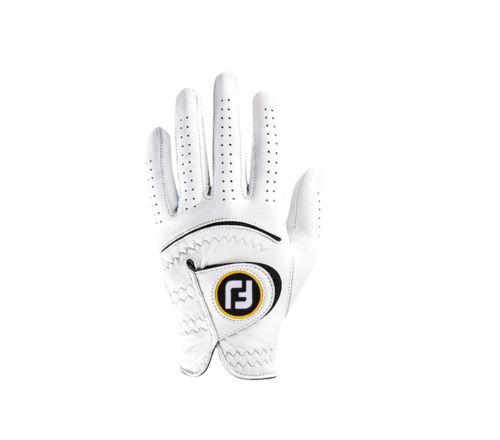
Standard leather gloves lose grip when they get wet. For rainy conditions, specific gloves are used, such as the FootJoy StaSof 3.0, which are manufactured with technical materials that improve traction precisely when they are damp.
These models are used in pairs, on both hands, and work in the opposite way to conventional leather: the wetter they are, the better they grip. It is a fundamental investment for maintaining swing security during days of unsettled weather.
For winter
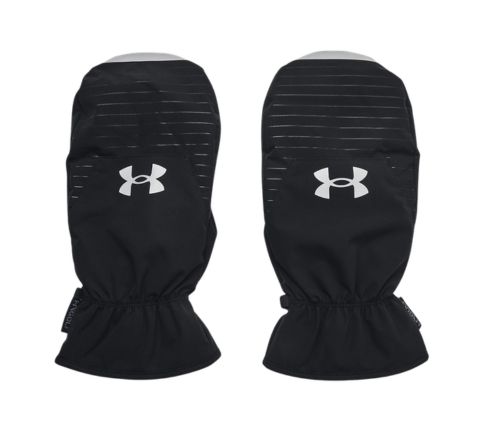
In cold conditions, thermal gloves or between-shot mittens are essential accessories. Mittens such as the Under Armour Cart Mitt are not used during the swing but between shots, to keep your hands warm while you walk.
The loss of sensitivity due to cold directly affects the feel of the grip and the consistency of the strike. Maintaining an optimal hand temperature is crucial for executing a fluid and precise swing during the winter months.
Reference Brands and Models
At Golfriend’s, you will find a comprehensive selection of gloves from the most renowned brands on the market. FootJoy is the historic benchmark — with models such as the GTxtreme or the StaSof 3.0, which combines premium leather with fit technology — but brands like TaylorMade, Titleist, Callaway, and Honma also offer top-tier options.
Reviewing the full selection of golf gloves available at Golfriend’s, with options for men, women, and juniors, is the best starting point to find the model that best suits your hand, your playing frequency, and the conditions in which you usually play.