The types of golf clubs and their specific uses.
The Driver: the king of distance
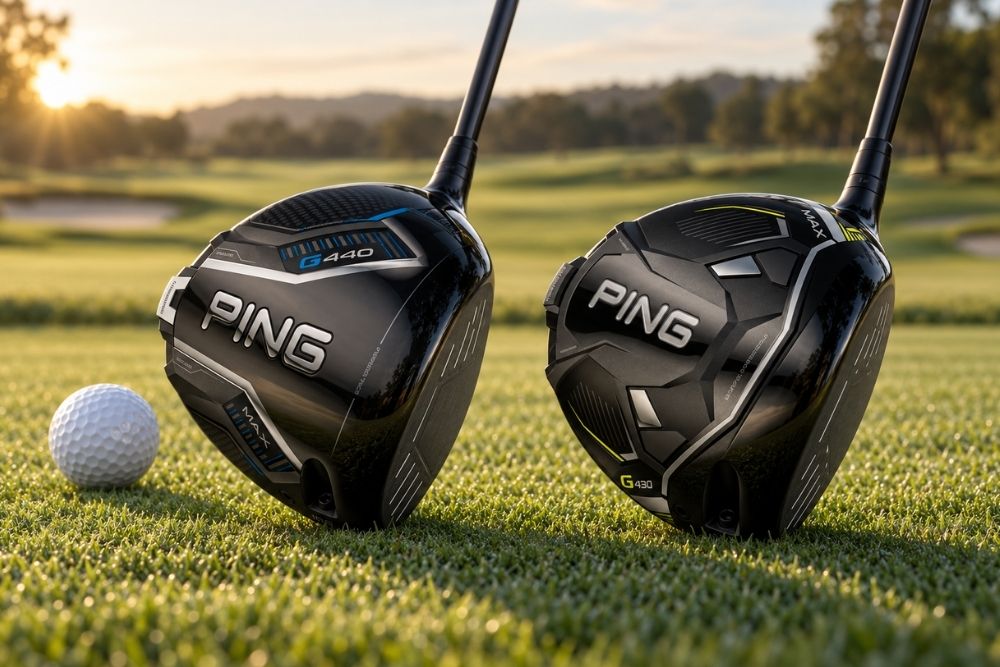
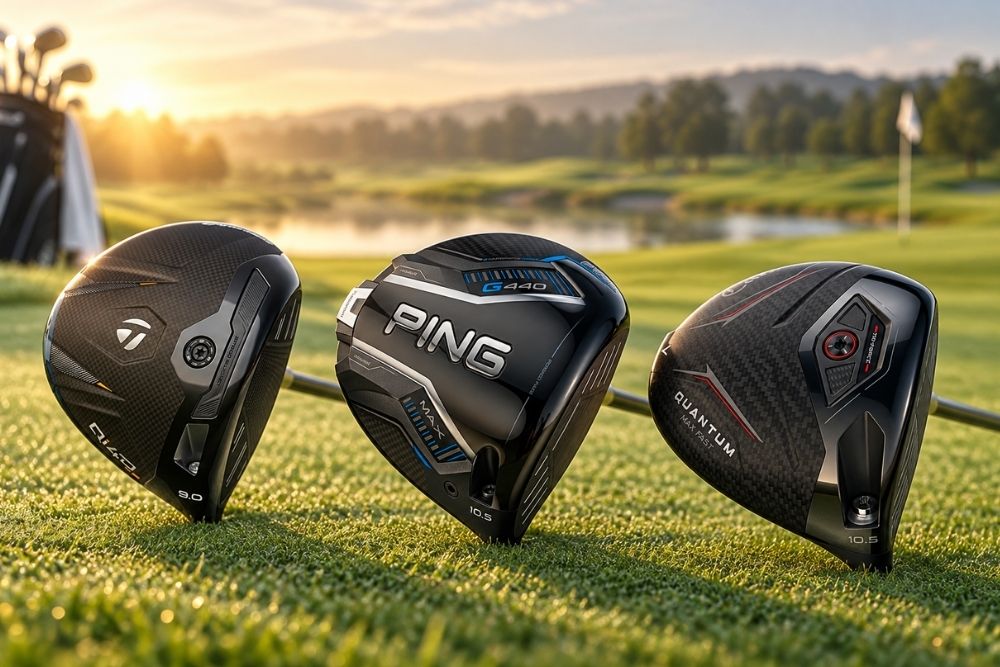
The driver, also known as the number 1 wood, is the club with the largest head and the lowest loft, generally between 8° and 12°. It is designed to strike the ball from the tee to achieve the maximum possible distance.
Its shaft is the longest in the bag, which helps generate greater clubhead speed at impact.
The driver rewards players with a consistent swing and a certain amount of speed. When struck well, the sensation is hard to match. However, it is also the most unforgiving club: poor face alignment or a swing that is too far off-plane can send the ball into the rough, the water, or directly out of bounds.
The 3-Wood: power with added control
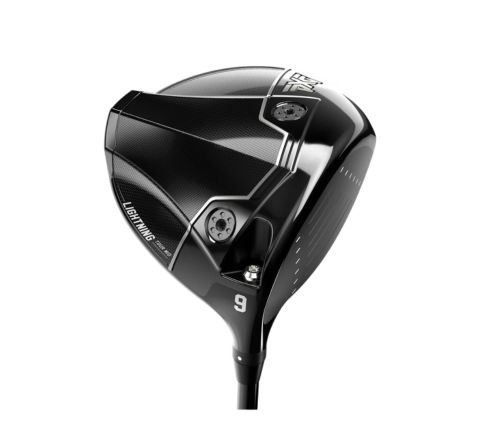
The 3-wood (fairway wood) typically has a loft between 15° and 18°, a smaller head than the driver, and a slightly shorter shaft. It can be played from the tee —on holes where the driver feels too intimidating or the fairway is very narrow— or directly off the deck on the fairway.
It is a versatile club with excellent reach, although it demands refined technique when played from the turf. “Sweeping” the ball off the ground with a 3-wood requires the correct angle of attack and good coordination. Many beginners, without realising it, are penalising their game by trying to force a 3-wood in situations where it offers no real advantage.
The Hybrid: the all-rounder for every situation
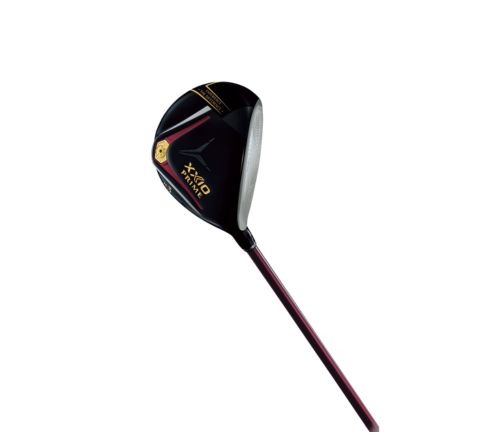
The hybrid was created to bridge the gap between woods and long irons. It combines the more compact head and low centre of gravity of a wood with the more manageable shaft length of an iron. The result is a club that is easier to launch, more forgiving on off-centre strikes, and highly effective from both the rough and the fairway.
Hybrid lofts typically range from 17° to 28°, making them direct replacements for 3, 4, and 5 irons in many cases.
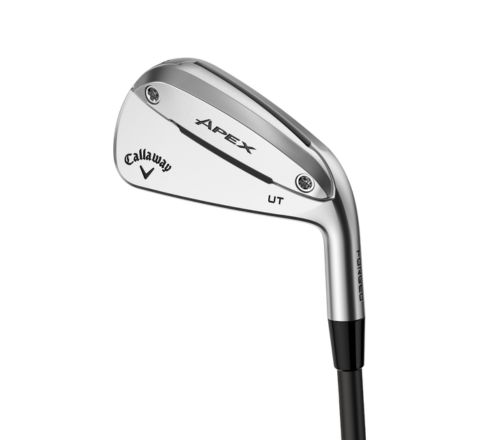
Key differences you should know
Distance vs. control
Ease of use
Versatility on the course
Which one do you actually need?
If you are a beginner or have been playing for less than two years
The hybrid should be your absolute priority. It replaces the long irons that are difficult to make clean contact with, and gives you options from both the tee and the fairway without demanding a technique that you are still developing. A driver in the hands of a player still calibrating their swing can be a source of constant frustration.

If you are at an intermediate level and your swing is becoming consistent
This is where the driver starts to make real sense. You can also consider whether a 3-wood off the tee gives you more confidence than the driver on challenging holes. Many mid-handicappers play better with a 3-wood off the tee and almost entirely forgo the driver until their swing speed and technique justify it.
If you are already an experienced player looking to fine-tune your setup
At this level, the question is what gap you have in your bag. Some experienced players remove the 3-wood and fill that space with an additional hybrid or an extra wedge. Others prefer to have all three options and decide based on the hole. The important thing is that every club you carry has a clear function and is used frequently.
A very common mistake: carrying all three without knowing how to use them
Many golfers starting out end up with a full set that includes a driver, 3-wood, and hybrid, only to find themselves using just the driver — or avoiding it entirely — without making the most of the others. The key isn’t having more clubs, but knowing when and how to use each one.
If you are building your first bag or thinking about upgrading your setup, the most honest advice is this: start with what you can control, add power later. A hybrid you can master is worth infinitely more than a driver that hands you bogeys.
At Golfriend’s, you will find a selection of drivers, fairway woods, and hybrids from the leading brands. If you are unsure which club best suits your swing, we can guide you through our custom fitting service.