Why FootJoy has become the benchmark in golf
Established in 1857, FootJoy is far more than just a footwear company today. Their catalogue spans golf shoes, technical apparel, gloves, and accessories, always with a sharp focus on on-course performance. What sets the brand apart is not just its heritage, but its commitment to innovation in materials, cushioning, and grip systems. In the world of golf, where you walk between 7 and 10 kilometres per round over wet surfaces, slopes, uneven lies, or soft ground, footwear is not a secondary accessory. Along with the glove, it is the most direct point of contact between your body and the course. And that is where FootJoy has been making the difference for years.
The waterproofing issue: what they actually guarantee
This is where the most questions arise. And it makes perfect sense, as within the FootJoy range, models with different levels of water protection coexist.
How to check the waterproofing and warranty of each model
FootJoy offers different levels of waterproof protection depending on the model and market. Always check the specifications and waterproof warranty of the exact model before purchasing. Golfriends product information should match the current manufacturer specifications for each shoe.
Are all FootJoy models waterproof?
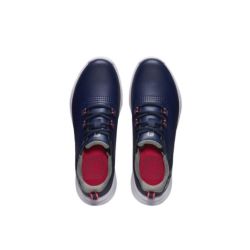
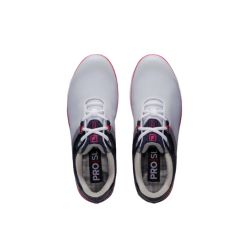
No. Some models, especially the lighter ones aimed at an athletic style with breathable mesh, prioritise ventilation over waterproofing. This is not a flaw: it is a design choice for golfers who primarily play in warm, dry conditions and prefer their feet to breathe. At Golfriend’s, each product page clearly specifies whether the model features a waterproof guarantee, making it easy to identify before you decide.
When is it worth paying for waterproofing?
The answer depends on when and where you usually play.
Golfer profile: Who actually needs waterproofing?
If you play on links courses, in coastal areas, or during the months from October to March anywhere in the UK, waterproofing is not optional: it is essential. Morning dew alone can soak through unprotected shoes within the first three holes. Furthermore, well-maintained courses often have irrigation systems that leave the grass damp even on dry days. In these cases, it is worth investing in a model with at least a one-year warranty and robust construction. This is not just for comfort; a wet foot directly affects your swing stability and concentration throughout the round.
Golfer profile: Who can do without it?
If you primarily play during the summer, on Mediterranean courses, or in golf destinations like the Costa del Sol—where the climate is dry most of the year—a lighter and more breathable model may be a better choice. In these conditions, ventilation is more important than a waterproof barrier, and wearing a waterproof shoe in high temperatures can lead to discomfort.

Spiked vs spikeless footwear on rainy days
Here enters another important variable that is often confused with the question of waterproofing. Models with traditional spikes—such as the FJ Traditions or the FJ Premiere Series with the Fast Twist 3.0 system—offer superior grip on wet fairways or soft rough. The Pulsar spikes from Softspikes® penetrate the turf and anchor the foot during the swing, resulting in greater stability when the ground is soft. Spikeless models, featuring the VersaTrax outsole like the FJ Flex, are more versatile and comfortable for off-course wear, but in rainy conditions or very soft terrain, they may lose some traction compared to models with cleated outsoles. The choice is not mutually exclusive: many golfers own a pair of each type and alternate them depending on the day’s conditions.