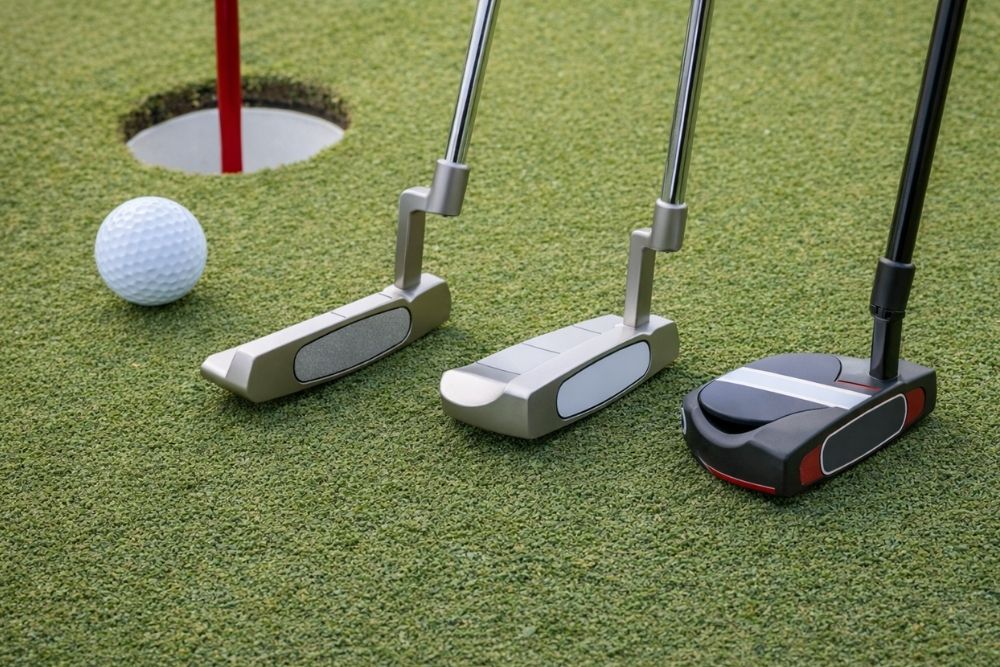
The putter is the club we use most during a round, yet it is also one of the most commonly mischosen. Length, lie and head type all have a direct impact on posture, alignment and face stability at impact. In this guide, we explain how to choose a putter that suits your stroke.
Why choosing the right putter matters so much
Putter length: the first parameter you must adjust
How to determine the correct length
The key is to adopt your usual position — back tilted and arms relaxed: your hands should hang just below your shoulders.
If the club is too long, you will push your elbows away from your body; if it is too short, you will create unnecessary tension in your back.
Height can be used as an initial reference point, but it should not determine putter length on its own. Posture, arm length, torso angle and eye position over the ball can mean that two players of the same height require different putter lengths.
If you are unsure between two lengths, the best approach is to try both during a fitting.
The putter lie: the most ignored parameter
The lie is the angle formed by the shaft of the putter with the ground when the club is resting in its correct position. It is, without a doubt, one of the most important — and surprisingly most misunderstood — adjustments when choosing the right equipment. An incorrect lie can ruin even the best of strokes: if the angle does not adapt to your posture, the clubface will tend to point to the left or right at the moment of impact.
What happens when the lie is incorrect
Head type: blade, mid-mallet or mallet
Once you are clear on the length and the lie, the head type is the third variable. If you haven’t done so yet, check our article on the difference between mallet and blade putters. The choice between a compact design or a perimeter-weighted one is not just a matter of aesthetics, but of how the club moves during your stroke.
Blade
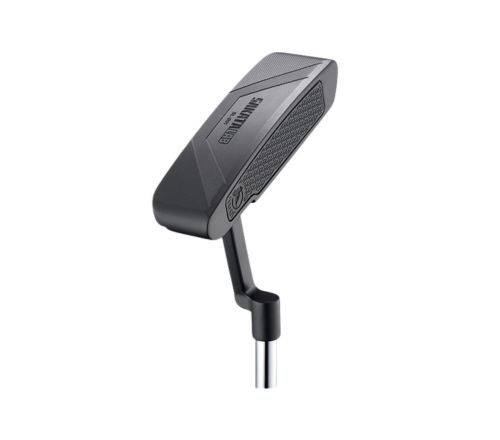
Mid-mallet
Mallet
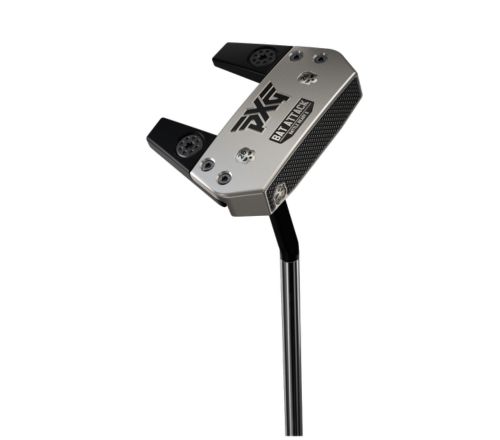
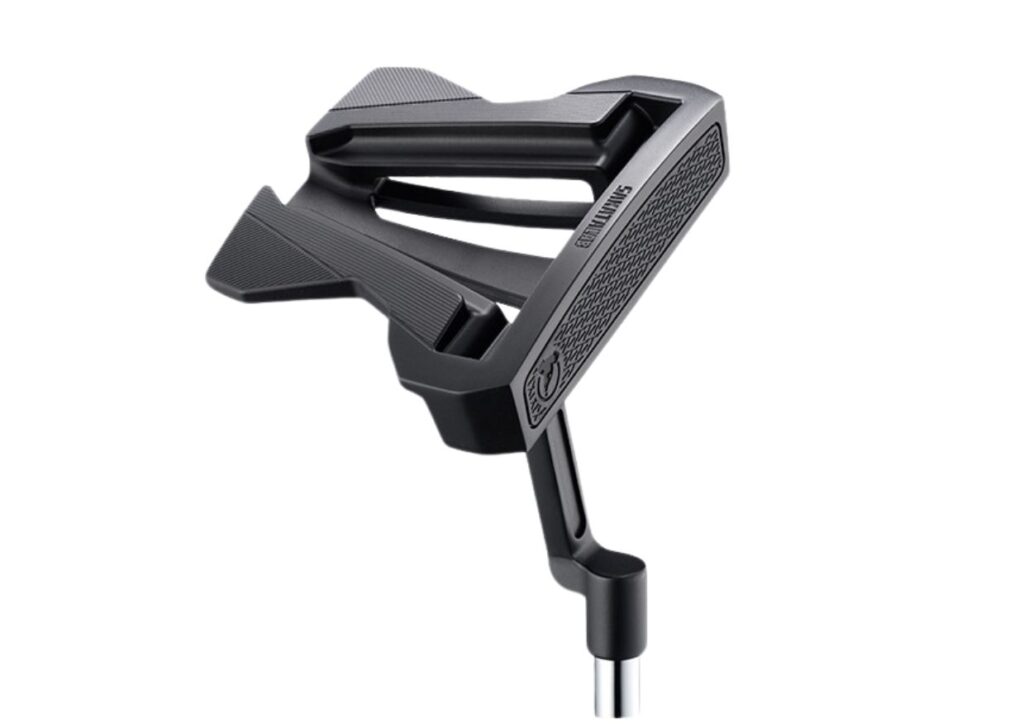
The mallet has the largest head and offers the highest MOI. It redistributes weight towards the perimeter and the back, which stabilises the face against off-centre hits and facilitates alignment. Models like the TaylorMade Spider Tour X or the innovative LAB Golf, represent the most advanced evolution to minimise torque and keep the face square throughout the path.
Putter loft: a technical detail with real impact
The putter grip: more important than it seems
Putter fitting: the most effective way to get it right
The most effective way to choose well is to perform a real fitting. At Golfriend’s, we have a personalised fitting service where we analyse your stroke to precisely adjust the length, lie and head type to your game. In our golf putters section, you will find brands such as Odyssey, Scotty Cameron, TaylorMade, Ping, LAB Golf and Evnroll. Visit our online golf shop or come see us to ensure your next putter is the definitive one.